Crypto communities on Discord and Telegram have become common targets for phishing and social engineering. Attackers often impersonate support staff, share malicious links, or manipulate users into revealing sensitive information. Understanding the typical tactics and adopting verification habits can help users navigate these platforms more safely. This article outlines key methods attackers use and practical steps to recognize and avoid them.
While no single approach guarantees protection, being aware of common patterns and maintaining a cautious mindset can reduce exposure. The discussion below covers fake support accounts, malicious links, and social engineering techniques, with a focus on verification and critical thinking.
Impersonation of Support Staff and Fake Accounts
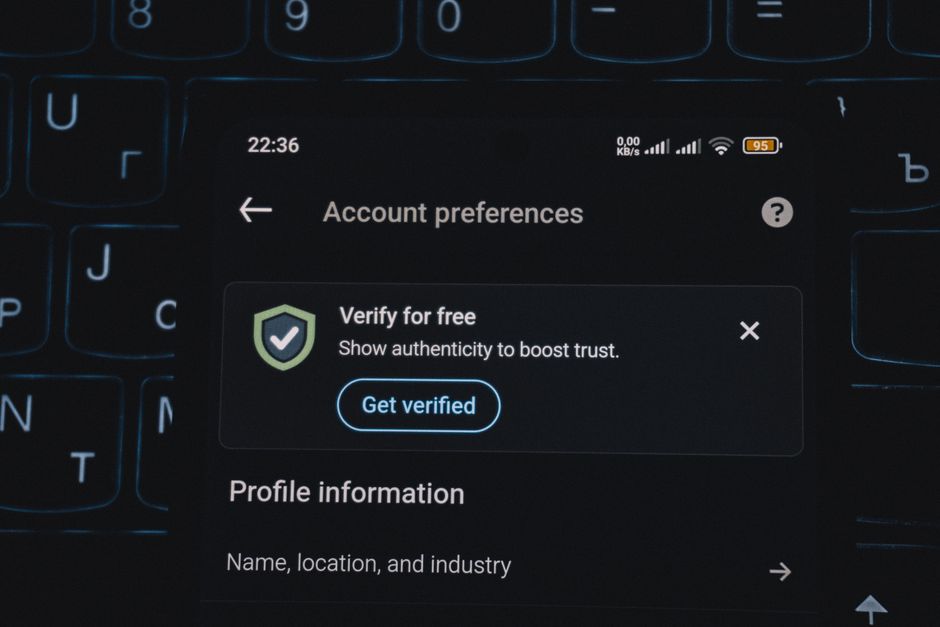
In crypto community channels, attackers frequently create accounts that mimic official support representatives. They may use names, profile pictures, and descriptions similar to legitimate staff. These fake accounts often initiate private messages after a user posts a question in a public channel, offering to help resolve an issue. The goal is to build trust and then request sensitive information or direct users to a phishing site. To identify such accounts, users should check for verification badges, account age, and official communication channels. Legitimate support teams typically do not initiate unsolicited private messages and will direct users to official help desks.
Another common tactic involves creating fake accounts that appear to be from reputable companies or well-known community members. These accounts may post announcements or share links that seem credible. Users should verify the authenticity of any account by cross-referencing with official sources, such as the project’s website or verified social media profiles. It is advisable to avoid engaging with unsolicited messages and to report suspicious accounts to channel moderators.
Malicious Links and Deceptive URLs
Phishing links are a primary vector for stealing credentials and draining wallets. Attackers may share links that closely resemble legitimate websites, using subtle misspellings or different top-level domains. These links are often distributed through public channels, private messages, or disguised as community resources. Clicking such links can lead to fake login pages that capture usernames and passwords, or to pages that prompt users to sign transactions that grant access to their funds. To mitigate this risk, users should hover over links to preview the actual URL before clicking, and avoid clicking on shortened links from unknown sources.
In addition, attackers may use link shorteners to obscure the destination. Users can use URL expanders to reveal the true address. It is also prudent to type official website addresses directly into the browser rather than relying on links from chat platforms. Enabling two-factor authentication and using hardware wallets can add layers of security, though these measures do not replace careful verification.
Social Engineering and Manipulation Tactics
Social engineering relies on psychological manipulation to trick users into divulging information or taking actions. Common tactics include creating a sense of urgency, offering fake rewards, or impersonating authority figures. For example, an attacker might claim that a user’s account is at risk and needs immediate verification, or announce a limited-time airdrop that requires connecting a wallet. These messages often exploit emotions such as fear or excitement to bypass rational scrutiny. Users should be skeptical of unsolicited offers and verify any claims through official channels before taking action.
Attackers may also use pretexting, where they fabricate a scenario to gain trust. This could involve posing as a community manager requesting feedback or as a fellow user seeking help. Building awareness of these tactics and encouraging open discussion within communities can help members recognize and report suspicious behavior. Establishing a culture of verification and skepticism without paranoia is essential.
Verification Practices and Community Vigilance
Verifying the identity of contacts and the legitimacy of information is a cornerstone of safe participation in crypto communities. Users should confirm that any communication claiming to be from official support originates from a verified account. This can be done by checking the account’s history, badges, and cross-referencing with the project’s official website. Many communities have dedicated channels for announcements and support, and users should rely on these rather than private messages. Additionally, enabling privacy settings that restrict direct messages from unknown users can reduce exposure to fake accounts.
Community moderation plays a role in maintaining a safe environment. Reporting suspicious accounts and links to moderators helps protect others. Some communities use bots that automatically flag known malicious links or impersonators. However, users should not rely solely on automated tools and should practice personal vigilance. Regularly updating knowledge about emerging phishing techniques and sharing experiences can enhance collective awareness.
Reducing Exposure Through Personal Security Habits
Adopting strong personal security habits is a key component of phishing prevention. Using unique passwords for each service, enabling two-factor authentication, and avoiding password reuse can limit the impact of credential theft. For crypto assets, using hardware wallets and verifying transaction details on the device itself can help prevent unauthorized transfers. It is also important to keep software and browsers updated to benefit from security patches. While these measures do not eliminate risk, they create multiple barriers that can deter or thwart attacks.
In summary, avoiding phishing tactics in Discord and Telegram requires a combination of awareness, verification, and cautious behavior. By understanding how fake support accounts, malicious links, and social engineering operate, users can better recognize red flags and respond appropriately. No single action guarantees safety, but consistent vigilance and a skeptical approach to unsolicited communications can significantly reduce the likelihood of falling victim. Platforms like VaultShield emphasize user education and security best practices, but ultimately, individual caution remains essential in the evolving landscape of online threats.