Creating a secure backup routine for a seed phrase is a foundational step in self-custody of digital assets. A seed phrase, often a sequence of twelve to twenty-four words, acts as the master key for a cryptocurrency wallet. If the phrase is lost, access to the associated funds may be irretrievable; if it is exposed, unauthorized parties may gain control. Because of this dual risk, the backup process deserves careful planning rather than a quick, improvised solution. The goal is to establish a repeatable method that balances durability, accessibility, and confidentiality over time.
This article examines offline storage approaches, focusing on metal plates and encrypted backups, while explaining why avoiding digital copies is a central consideration. It outlines a process-oriented framework rather than prescribing a single solution. The discussion is intended for informational purposes and emphasizes methodology, transparency, and the conditional nature of security outcomes. Individual circumstances, threat models, and environmental factors will influence which methods are appropriate.
A well-structured backup routine typically involves multiple layers: selecting a medium that resists physical degradation, documenting the process clearly, storing the backup in a controlled location, and periodically reviewing the setup. The following sections explore these layers in detail, with attention to practical steps and common pitfalls. The emphasis is on informed decision-making rather than on guarantees, as no single method can address all possible risks.
Understanding the Role of a Seed Phrase in Self-Custody
A seed phrase is not merely a password; it is a human-readable representation of the entropy used to derive a wallet’s private keys. In most standards, the phrase follows a defined wordlist and includes a checksum, which helps detect transcription errors. Because the phrase can regenerate the entire wallet structure, its compromise can lead to a complete loss of funds. Conversely, its loss can render the wallet inaccessible even if the associated device or software remains functional. This dual nature makes the seed phrase a single point of failure that requires careful handling.
Self-custody implies that the user is responsible for securing the phrase without relying on a third party. This responsibility includes protecting the phrase from theft, accidental disclosure, and physical damage. It also involves ensuring that the backup can be retrieved when needed, even after years of inactivity. A common mistake is to treat the seed phrase as a temporary credential rather than a long-term asset. A more appropriate mindset is to regard it as a critical piece of infrastructure that deserves a documented, repeatable backup routine.
Threat modeling is a useful starting point. Consider who might attempt to access the phrase, what methods they might use, and what physical or digital events could damage the backup. Examples include burglary, fire, flood, hardware failure, and malware. While no routine can eliminate all threats, a thoughtful approach can reduce the likelihood of a single event causing irreversible loss. The following sections describe offline methods that are often discussed in this context, along with their trade-offs.
Why Avoiding Digital Copies Matters
Digital copies of a seed phrase introduce exposure vectors that are difficult to control. A photograph stored on a smartphone, a text file in cloud storage, or an email draft can be replicated, synchronized, and accessed without the user’s knowledge. Even a deleted file may persist in backups or caches. Malware designed to scan for word sequences can compromise a device and exfiltrate the phrase. Because digital systems are interconnected and often managed by third parties, the attack surface expands considerably compared with a physically isolated backup.
Another consideration is the persistence of metadata. Digital files often carry timestamps, location data, and device identifiers that can link the backup to the user. Synchronization services may retain version history, and shared folders may inadvertently expose the file to others. Even encrypted digital copies require key management, which introduces additional complexity and potential failure points. If the encryption key is lost, the backup becomes useless; if it is stored alongside the encrypted file, the protection may be undermined. These factors make digital copies less predictable in terms of long-term security.
This is not to suggest that digital tools have no role in a broader security strategy. Password managers and encrypted containers can be appropriate for other credentials. However, for a seed phrase, the common guidance is to avoid creating digital copies altogether. Instead, the focus shifts to offline media that can be physically controlled and monitored. The next sections examine two such approaches: metal plates and encrypted offline backups.
Storing Seed Phrases on Metal Plates
Metal plates are designed to withstand environmental conditions that would destroy paper, such as fire, water, and humidity. Common materials include stainless steel, titanium, and aluminum, each with different durability characteristics. The phrase is typically stamped, engraved, or punched into the metal, creating a permanent record that does not rely on ink or magnetic storage. Some products provide a template or jig to assist with uniform lettering, reducing the risk of transcription errors. The result is a physical object that can be stored in a safe, a hidden location, or a safety deposit box.
When selecting a metal plate solution, consider the method of recording. Stamping requires a hammer and punches, which may be impractical in some settings, while engraving may require specialized tools. Some kits use individual letter tiles that are secured in a frame. Regardless of the method, the process should be performed in a private environment and verified by reconstructing the phrase from the plate. It is also prudent to create a second plate and store it separately, so that a single loss does not eliminate the backup. However, duplicating the backup increases the number of locations that must be secured.
Metal plates are not without limitations. They can be heavy and conspicuous, and they may be vulnerable to theft if their location is discovered. The inscription is visible to anyone who finds the plate, so physical security is essential. Some users add a passphrase (a separate word or string) to the wallet, which can provide an additional layer of protection if the plate is compromised. However, passphrases introduce their own backup requirements and should not be confused with the seed phrase itself. Overall, metal plates offer a durable medium, but they must be integrated into a broader routine that includes location security and access control.
Encrypted Offline Backups
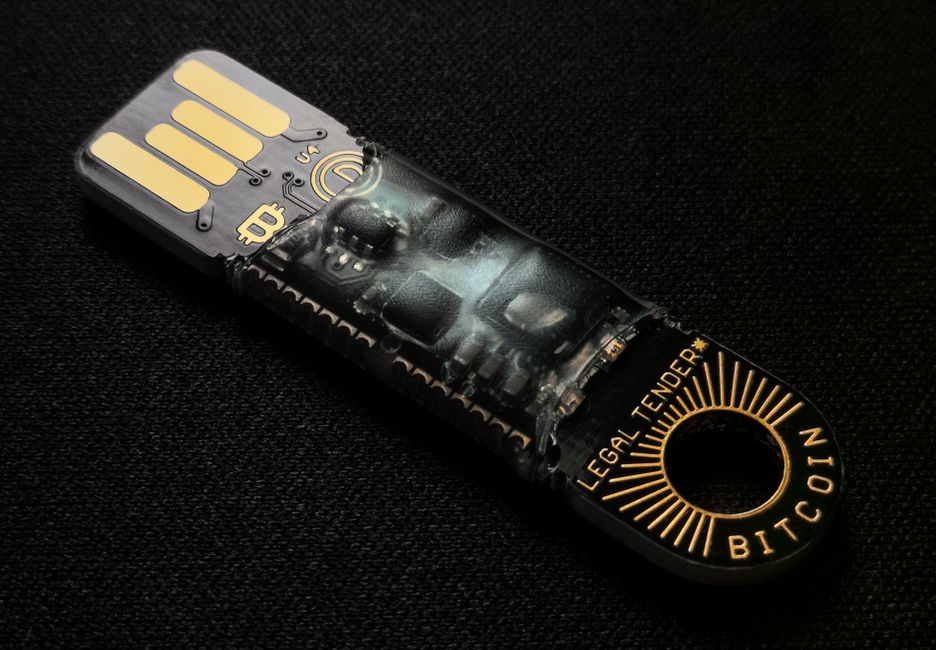
An encrypted offline backup involves storing the seed phrase in a digital file that is protected by strong encryption and kept on a device that is not connected to the internet. Examples include a USB flash drive, an external hard drive, or an optical disc. The encryption should use a well-reviewed algorithm and a strong, unique passphrase. The device should be stored securely, and the passphrase should be memorized or stored separately in a physical format. The goal is to prevent unauthorized access even if the device falls into the wrong hands.
Creating such a backup requires attention to the entire lifecycle. Start with an air-gapped computer or a live operating system that does not persist data. Use open-source encryption tools that are widely vetted. After creating the encrypted file, verify that it can be decrypted correctly, then securely erase any temporary files. Store the device in a location that is protected from physical hazards and unauthorized access. Consider making a second copy and storing it in a different location, but be aware that each copy increases the number of passphrases and devices to manage.
Encrypted offline backups are not a substitute for metal plates; they are an alternative with different trade-offs. They can be more compact and easier to update, but they depend on the integrity of the encryption and the device. Electronic storage media can degrade over time, and interfaces may become obsolete. Regular integrity checks are advisable, such as decrypting the file on an air-gapped system every few months. As with any method, the process should be documented and reviewed periodically. VaultShield emphasizes a methodology-first approach, and users are encouraged to adapt these principles to their specific needs.
Building a Repeatable Backup Routine
A repeatable routine transforms good intentions into consistent practice. Begin by defining the scope: which wallets and seed phrases require backup, and what level of redundancy is appropriate. Then select the medium or combination of media based on the threat model and practical constraints. Document each step, including the tools used, the location of backups, and the verification process. This documentation should not contain the seed phrase itself; it should describe how to access and verify the backup without revealing the secret.
Verification is a critical but often overlooked step. After creating a backup, reconstruct the seed phrase from the backup medium and compare it with the original. Perform this verification in a private, offline environment. For metal plates, this may involve reading the stamped characters and checking against the wordlist. For encrypted backups, decrypt the file and inspect the content. Repeat verification at planned intervals, such as annually or after any environmental change. If a backup is found to be damaged or inaccessible, replace it promptly using the same procedure.
Finally, consider the human factor. Share the existence of the backup routine with a trusted party only if necessary, and provide clear instructions for retrieval in an emergency. Avoid storing the seed phrase and its backup in the same location. Use physical security measures such as safes, locks, and discreet storage. Periodically review the routine as technology and personal circumstances evolve. By treating the backup as an ongoing process rather than a one-time event, users can maintain a higher level of preparedness and reduce the likelihood of preventable loss.